
Geochemical Carbon Dioxide Removal (CDR) Pathways in Mining
November 12 @ 6:00 PM - 7:00 PM
Lecture: Geochemical Carbon Dioxide Removal (CDR) Pathways in Mining.
Speaker (Organisation):
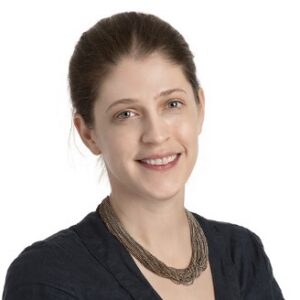 Martha Buckwalter-Davis, Associate Director Geochemist (WSP)
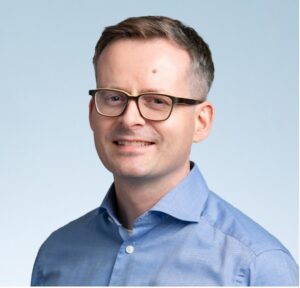 Bart De Baere, Associate Director Geochemist (WSP).
Location: Online / in-person at IOM3.
Date & Time: 12th November 2026. 6:00 – 7:30pm with reception to follow.
Talk synopsis:
The mining sector has a unique opportunity to valorise its abundant residues, including tailings and waste rock, for carbon dioxide removal (CDR). A significant proportion of the CDR pathways being explored in the mining sector are fundamentally geochemical in nature, including enhanced mineralization (in situ and ex situ) and alkalinity enhancement via enhanced rock weathering.
Globally rising levels of atmospheric carbon dioxide and resulting climatic changes have led to an increased demand for the development of durable CDR pathways to support decarbonization efforts. Market research suggests that the global CDR market may be worth billions to trillions over the next 25 years. In addition to valorising carbon sequestration via the sale of carbon credits on the voluntary market, co-benefits of CDR specific to the mining sector include the extraction of critical minerals, as well as the reduction of mine closure liabilities. Less tangible co-benefits include an improved ‘social licence to operate’ supported by community redevelopment opportunities and responsible production credentials.
CDR via geochemical pathways represent a valuable business opportunity and should be evaluated and integrated into across all mine project phases (planning, operations and closure). The integration of CDR pathways is not limited to greenfield projects and can be integrated into existing mining operations. This session will provide an overview of geochemical CDR pathways in the mining sector, introduce promising technologies under development, and provide a roadmap of how and if CDR should be adopted at a particular mine site. We will conclude with a call to action to assist in addressing current market challenges.
Those with an interest in this topic are directed to WSP’s mining-focused white paper on geochemical carbon dioxide removal, available at: https://www.wsp.com/en-ca/insights/ca-turn-mine-materials-into-credible-durable-carbon-removal
Speaker bio:
Martha Buckwalter-Davis is an Associate Director Geochemist and leads the Mine Water Geochemistry team within WSP Metals & Mining – UK & Ireland. She has 16 years of experience as a consultant to the mining industry, with a technical practice focusing on geochemistry of mine waste, holistic waste management, and innovation. This includes geochemical characterisation and modelling studies, with integration of the findings into waste and water engineering and management for projects at all stages (exploration to closure). She travels regularly to mine sites around the world for implementation of geochemical studies including sampling and field trial installations. She has further interest in the applications of geochemistry to aggregates/construction materials (including concrete carbonation), contaminated land, manufacturing, and waste and holds expertise in European waste legislation and the circular economy. Before locating to Ireland, she worked in Canada and completed a master’s degree at Queen’s University (Canada) on the use of automated mineralogy to assess mineralogical controls on the environmental behaviour of mine waste.
Bart De Baere is an Associate Director Geochemist with WSP Metals & Mining – UK & Ireland team. He has ten years of industry experience in applied environmental geochemistry in the mining sector. Bart has performed evaluations of mined materials for ML/ARD potential, predictive modelling of water quantity and quality, detailed characterization of mine waste mineralogy, surface water assessments, and developed custom leaching experiments. In addition, Bart is experienced with the implementation of carbon capture in mine tailings and has led several studies assessing the carbon sequestration potential in mine tailings in Canada and South Africa. At WSP, Bart leads a group of practitioners including geochemists involved in developing a new service offering around valorising mined materials as feedstock to help decarbonize mining operations. Bart received his Ph.D. degree from the University of British Columbia, where he gained comprehensive laboratory experience in laboratory- and field-based analytical chemistry. As part of his studies, Bart developed new analytical instrumentation to investigate mineral dissolution geochemistry, particularly the rate at which minerals dissolve. This newly developed instrumentation was later adopted as a key tool to help quantify the carbon uptake potential in mine tailings.
Register: link to follow.